2026 Lenten Season at Transfiguration
Opportunities for Confession:
Tuesday, March 3, 7:00 p.m., Church … Many priests
Part of our Lenten preparation includes receiving the Sacrament of Reconciliation. Reconciliation is to make peace, Confession is telling our sins, Penance is showing sorrow for our sins. Reconciliation is one of the healing Sacraments, and celebrates the loving embrace of God when we turn toward him and away from sin. We feel renewed. Click HERE for more info and an examination of conscience. We hope to see you!
Additional opportunities for Reconciliation:
- 5:00 p.m. on Tuesdays (Martes) and 3:30 p.m. on Saturdays (Sábado)
- Confessions are not available during Holy Week
*
Days of Abstinence: Ash Wednesday and All Fridays of Lent including Good Friday
DEFINITION OF ABSTINENCE: Abstinence means no meat. Abstinence laws consider that meat comes only from animals such as chickens, cows, sheep or pigs — all of which live on land. Birds are also considered meat. The norms concerning abstinence from meat are binding upon members of the Catholic Church from age 14 onwards.
Days of Fasting: Ash Wednesday and Good Friday are Days of Fasting and Abstinence
DEFINITION OF FASTING: The norms for fasting are obligatory from age 18 until age 60. When fasting, a person is permitted to eat one full meal. Two smaller meals may also be taken, but not to equal a full meal.

Fridays through Lent / Viernes de Cuaresma
Fridays, February 20 – March 27
9:45 a.m.(English), & 7:00 p.m, (Bilingual), Church
Good Friday Stations of the Cross / Viernes Santo Vía Crucis
12 Noon – Church
5:00 p.m. – Outdoor Stations for Children (meet by the Family Life Center to walk the stations)
6:00 p.m. -Living Stations in Spanish (English translation provided)/outdoor at Family Life Center
(Bilingual, Music and Incense, Livestreamed)
Friday Fish Fry / Cenas de Cuaresma
Fridays, February 20 – March 27, 5:30 -7:00 p.m.
Sponsored by the Knights of Columbus Council #10362
Join your parish family for Friday night fish fry in the Social Hall, bring your friends, bring your neighbors! Please bring a canned good to dinner for the St. Vincent de Paul pantry.
Fridays in Lent
- 5:30 p.m. – 7:00 p.m. in the Social Hall
- Adult Plate – $15.00 – 1 Entrée, 2 sides and a drink
- Child Plate – $5.00- 1 Entrée, 1 side and a drink
- Family – $40.00 (2-adult plates plus children 4-10 years)
Entrees
Adults
- Weekly Special
- Beer Battered Fried Cod
- Baked Tilapia
- Desserts For Sale at the Event
- Soft drinks, Iced tea, Beer and Wine Served
Sides:
- Tater tots
- Vegetable
- Salad
- Cole Slaw
- Mac & Cheese
- Clam Chowder soup
Child
- Beer Battered Fried Cod
- Baked Tilapia
- Mac & Cheese
- Grilled Cheese
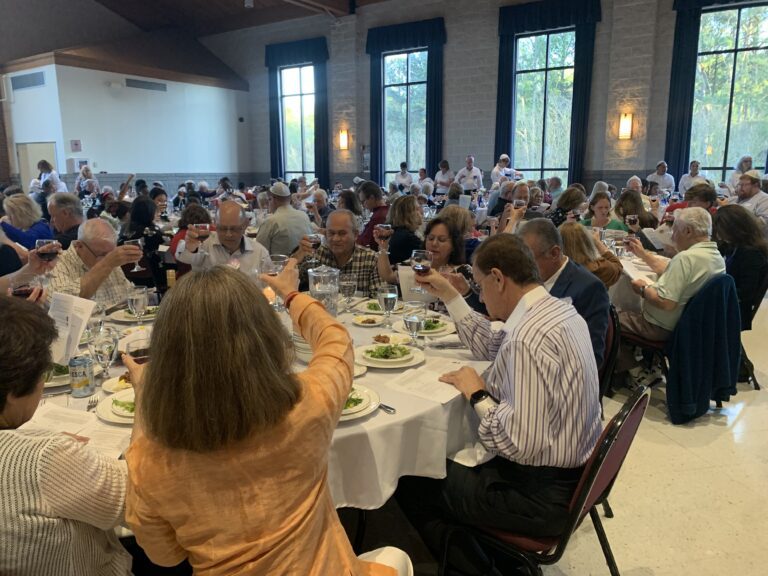
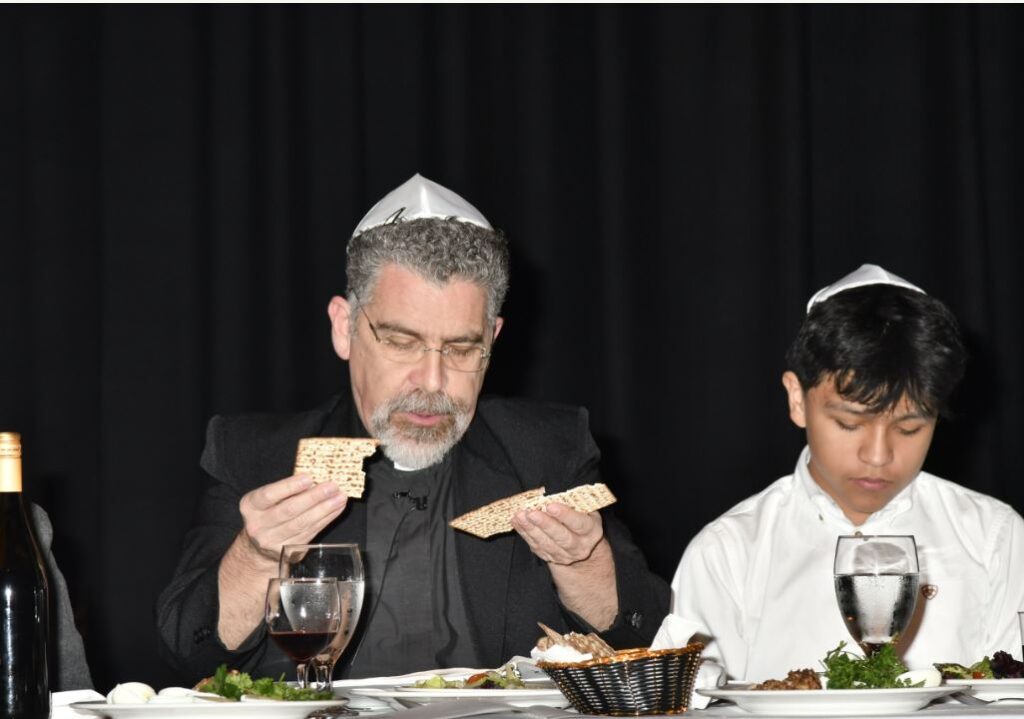
Seder / Cena de la Pascua Judía:
Saturday, March 28, 6:30 p.m., Social Hall
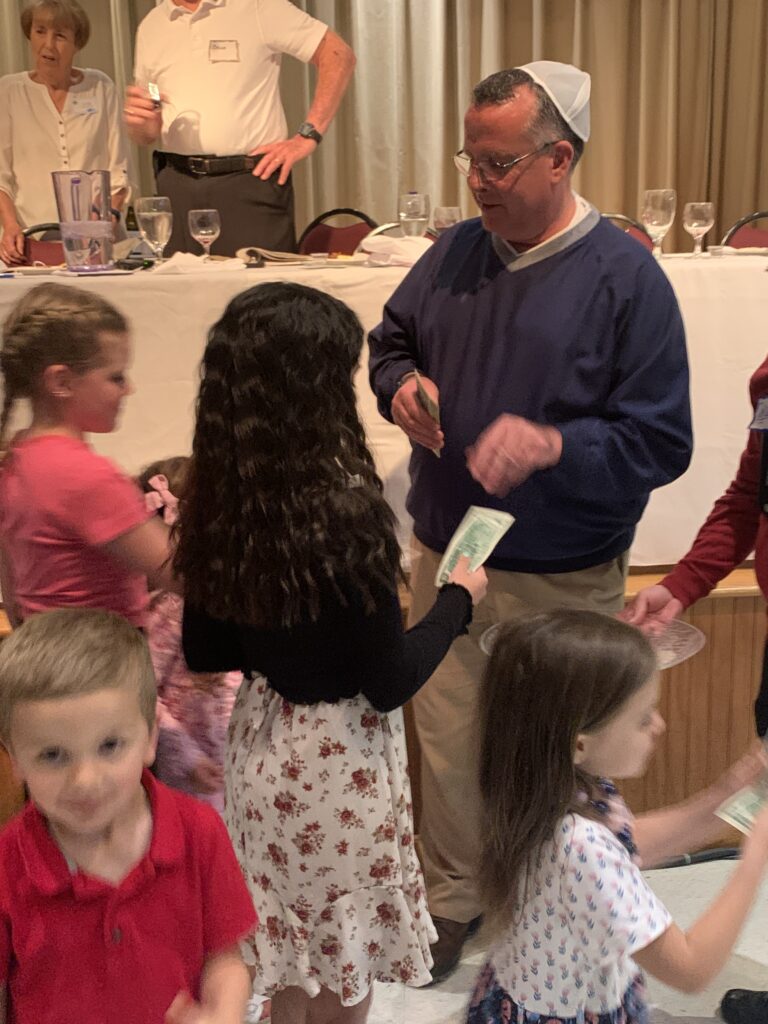
Our present day celebration of the Eucharist is rooted in the Jewish Passover family meal. A better understanding of the Jewish Seder will provide a richer understanding of our Sunday Mass.
This is a sell-out event, please purchase tickets early. Many servers needed, we’d love your help
If you are bringing a child 5 years old or younger, email Gloria, gnolasco@transfiguration.com to save a seat for them.
Events:
JustFaith Lenten Series, beginning February 12 for six weeks, 2:00-4:00 p.m., join us to explore how we respond to the daunting challenges of the upheaval in the world. Your journey will be guided by three key words: lament, repent and forgive. Please register in advance by clicking HERE or contact adulted@transfiguration.com.
Were you there?…: a Lenten storytelling event Friday, February 20, 6-7:15 p.m., Purchase a Lenten Dinner and bring it to the Adult Lounge to join Biblical Storyteller, Ruth Elsbree for this special event. Click HERE to reserve your seat at the table.
Easter Gift Bags for the Homebound: Gift bags will be given to the homebound members of Transfiguration. Thank you for your donations to serve our community! Paper eggs with an item to purchase for the Easter gift bag will be distributed the weekend of March 7 & 8. Please return the items to the giant, white Easter Basket in the foyer before March 21/22. Our teens will assemble the gift bags for Ministers of Caring to deliver.
Rise Against Hunger, March 14. Help to make 20,000 meals, Read more HERE and Sign up to be part of this amazing meal packing event.
Seder: Saturday, March 28, 6:30 p.m., Social Hall The ideal Family Faith Experience. This is a joyful celebration complete with storytelling, music, scripture, thanksgiving, and good food. Adults $15, Children $10. Click HERE for tickets. This event sells out early, please get your tickets early.
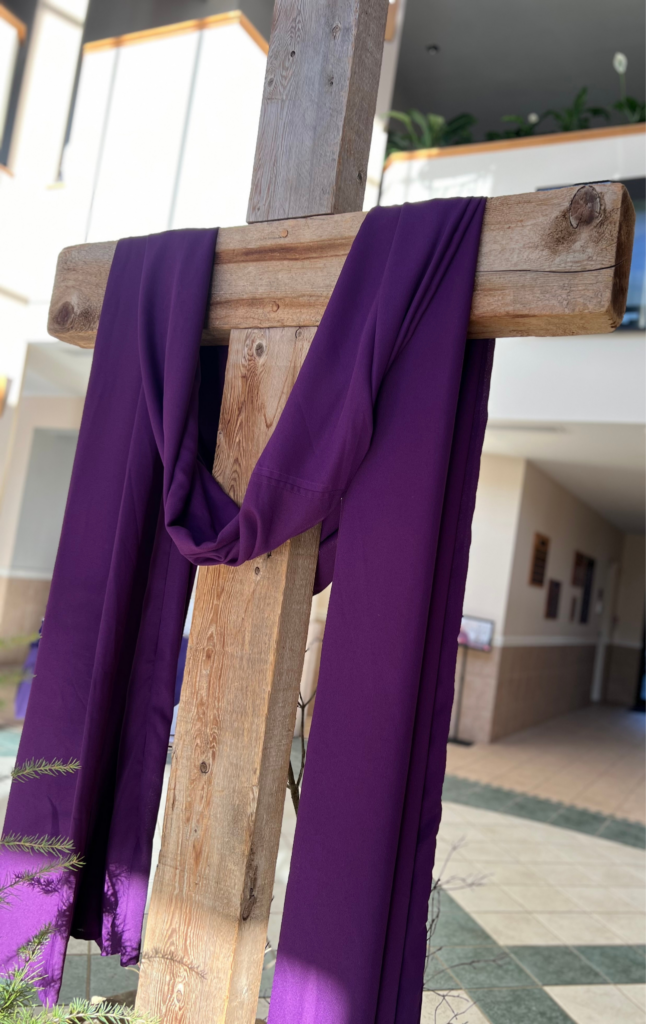
Prayers at the Foot of the Cross – write your prayer intentions on one of the crosses in the narthex and leave your prayer in the bowl at the foot of the cross. Intentions will be burned at the Easter Vigil fire.
Palm Sunday March 29– Masses Begin Outside the FLC with a Procession to the church doors. / Saturday 5:00 p.m., Sunday 7:45 a.m., 9:30 a.m., 11:30 a.m., 2:00 p.m. (en Español), 5:00 p.m. ((Note: 7:45 a.m. begins in the plaza.)
Palm Sunday, March 29, 11:30 a.m. & 2:00 p.m.Children will lead the Palm Procession and participate in a Children’s Liturgy of the Word. Click HERE to let us know if your child can participate.
Children’s Last Supper Experience, Holy Thursday, April 2, 5:30 p.m., Family Life Center. Children will act out the Last Supper and families participate in the Washing of the feet. Matzah and grape juice will be served. Click HERE to RSVP.
Holy Thursday Procession: At the Mass of the Lord’s Supper the altar is stripped, and the Blessed Sacrament is reposed until midnight. Join the Eucharistic Procession from the Church to the Social Hall where you are invited to Adoration. Click HERE to be a candle bearer.
Easter Food Blessing, April 4, 12:00 p.m. (Noon): FLC Parking Lot. Bring food for your Easter Feast to have it blessed.
Children’s Resurrection Story Egg Hunt: April 4, Noon. FLC parking lot. Join us for our annual Easter Egg hunt for kids. Children will collect eggs that tell the story of Jesus’ passion, death and resurrection. Teen Volunteers are needed to help, contact Theresa, tbrader@transfiguration.com.
Easter Sunday Children’s Mass, Sunday, April 5, 11:00 a.m., Children will help with different roles of the Mass. Click HERE to participate.
St. Vincent de Paul: Make giving part of your Lent by serving with or donating to SVdP throughout the 40 days of Lent. See how at https://transfiguration.com/ministry/st-vincent-de-paul-society/.
Lenten Giving: Make Almsgiving a part of this Lent with a donation to the Parish, Archbishop’s Annual Appeal or to the Easter Flower Fund! Donate with your monthly contribution envelope or online.
Easter Flowers: Help create a beautiful Altar for Easter. We are decorating the Sanctuary for the Joyful Easter Celebration as well as the Garden of the Altar of Repose in the Social Hall on Holy Thursday. Your donation will bring beauty to those spaces. Click Here (Altar Flowers).
CRS Rice Bowl: Take a Rice Bowl home to make it a part of your family’s Lenten Giving. Available in the Narthex while supplies last. 40 Day Lent Activity Calendar inside. See more about how CRS Helps through the Rice Bowl Program: Here.
Liturgy of the Hours: Add prayer to your Lent with the Liturgy of the Hours. Morning Prayers are offered in community, Monday – Friday, 8:30 a.m. in the Chapel. All are welcome to join any time. Pray along with the iBreviary app.
Little Black Book of Lenten Prayers: A short reflection for every day of Lent. Books available while supplies last in the Narthex or Faith Formation Office.
Around the Lenten Circle: A digital resource for small group discussion during Lent. Available by emailing Cindy in the Adult Faith Office, cmcfadden@transfiguration.com.
Palms will be collected throughout the Lenten season in baskets in the Narthex.
Easter Liturgies will be live streamed at https://transfiguration.com/livestream-mass/ and https://www.youtube.com/transfigurationcatholicchurch.
In observance of Holy Week, parish offices will close on April 1 and reopen on April 6.
In the case of a sacramental emergency, please call: 770-977-1442 and follow the prompts.

Celebrate Holy Week / Celebra la Semana Santa Mass Schedule and Information
Palm Sunday, March 29/ Domingo de Ramos, 29 de Marzo
The Vigil Mass for Palm Sunday, Saturday March 28 at 5:00 p.m.
7:45 a.m., 9:30 a.m., 11:30 a.m., 2:00 p.m. (en Español), 5:00 p.m.
Palm Sunday Masses will begin outdoors in front of the Family Life Center (weather permitting) and will Process as a group to the Sanctuary. Please arrive early for Mass. (Note: 7:45 a.m. begins in the plaza.)
Palm Sunday, March 29, 11:30 a.m. & 2:00 p.m. Children will lead the Palm Procession and participate in a Children’s Liturgy of the Word. If your child can participate, please click HERE.
Children’s Last Supper Experience, Holy Thursday, April 2, 5:30 p.m., Family Life Center. Children will act out the Last Supper and families participate in the Washing of the feet. Matzah and grape juice will be served. Click HERE to RSVP.
Holy Thursday • Mass of the Lord’s Supper, April 2, 8:00 p.m. / Jueves Santo • Misa vespertina de la Cena del Señor 2 de Abril 8:00 p.m.
8:00 p.m. Mass of the Lord’s Supper** (Bilingual)
Foot washing by the parishioners of Transfiguration.
Altar of Repose with Eucharistic adoration located in the Social Hall after Mass.
There is NO 9:00 a.m. Mass on Holy Thursday.
Holy Thursday Procession: At the Mass of the Lord’s Supper the altar is stripped, and the Blessed Sacrament is reposed until midnight. Join the Eucharistic Procession from the Church to the Social Hall where you are invited to Adoration. Click HERE to be a candle bearer.
Good Friday Stations of the Cross / Viernes Santo Vía Crucis
April 3, noon/Church, 5:00 p.m. /outdoor at Family Life Center, 6:00 p.m. /Living Stations in Spanish (English translation provided)/outdoor at Family Life Center
Good Friday • The Passion of the Lord, Abril 3/ Viernes Santo • La Pasión del Señor, 3 de Abril
8:00 p.m. The Observance of the Lord’s Passion** (Bilingual)
Holy Saturday • April 4, 4 de Abril
12:00 p.m., Noon, Easter Food Blessing, April 4: FLC Parking Lot. Bring food for your Easter Feast to have it blessed.
12:00 p.m., Noon, Children’s Resurrection Story Egg Hunt: April 4. FLC parking lot. Join us for our annual Easter Egg hunt for kids. Children will collect eggs that tell the story of Jesus’ passion, death and resurrection. Teen Volunteers are needed to help, contact Theresa, tbrader@transfiguration.com.
Easter Vigil • Saturday, April 4/ Sábado Santo, 4 de Abril
8:00 p.m. Easter Vigil Mass (Bilingual Mass)
Easter Sunday • Sunday, April 5 / Domingo de Pascua • domingo, 5 de Abril
- 7:00 a.m.,
- 9:00 a.m., (Masses in the Church and Social Hall)
- 11:00 a.m. (Masses in the Church and Social Hall) (11:00 a.m. is a Children’s Mass, please click HERE, if your child would like to help at the Mass)
- 1:00 p.m. (en Español)
There will be NO 5:00 p.m. Mass